
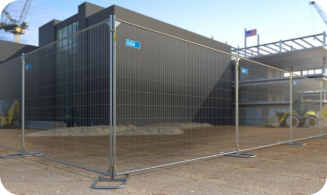
When managing a construction site, safety and security are top priorities. One of the most effective ways to maintain a safe and secure environment is through the use of temporary fencing. Temporary fencing serves multiple purposes, ranging from protecting workers and the public to securing valuable equipment and ensuring compliance with local regulations. In this comprehensive guide, we’ll explore why temporary fencing is an indispensable part of any construction site and the benefits it brings to the table.
1. Enhances Site Security
Protects Against Theft and Vandalism
Construction sites often house expensive equipment, tools, and materials, making them prime targets for theft and vandalism. Temporary fencing creates a physical barrier that deters unauthorized access and reduces the risk of theft. By installing a sturdy temporary fence, you can keep out intruders and minimize losses, ultimately saving on replacement costs.
- Restricts Access to Unauthorized Personnel: Temporary fencing clearly defines boundaries, preventing trespassers from wandering onto the site. This helps keep unwanted visitors away, ensuring that only authorized personnel are present.
- Deter Criminal Activity: The presence of a fence alone can be a strong deterrent to would-be vandals or thieves. Fences with anti-climb features or additional security measures, such as barbed wire or CCTV cameras, further discourage criminal activity.
Reduces Liability Risks
Liability is a major concern for construction site managers. Unauthorized access can result in accidents, which in turn can lead to costly legal battles and insurance claims. Temporary fencing significantly reduces these risks by keeping the site secure and ensuring that no unauthorized individuals are at risk of injury.
2. Ensures Safety Compliance
Meets Regulatory Requirements
Construction sites are governed by strict safety regulations, and temporary fencing is often a mandatory component. Local regulations may require fencing to be installed to a specific height or include additional safety features, such as warning signs or gates. Failure to comply can lead to fines and project delays.
- Height and Material Specifications: Depending on the nature of the site, temporary fences may need to be a minimum height to prevent accidents or climbing. The materials used must also meet safety standards to ensure durability and stability.
- Site Demarcation: Temporary fencing helps demarcate hazardous zones, such as areas with deep excavations or zones where heavy machinery operates. This makes it easier to keep the worksite organized and safe for everyone.
Improves Worker and Public Safety
Temporary fencing not only keeps unauthorized personnel out but also protects workers and the public from potential hazards. Construction sites often have heavy machinery, falling debris, and other dangers that can cause injury. By installing barriers, you create a safe environment for everyone in and around the site.
- Prevents Accidental Falls and Injuries: Temporary fencing is crucial for areas with elevated risks, such as trenches or scaffolding. It prevents falls and keeps people from accidentally entering dangerous zones.
- Guides Safe Movement: Fencing can be used to guide foot and vehicle traffic, reducing the chances of accidents. This is especially important in congested urban areas or roadside projects where pedestrian and vehicle safety must be managed.
3. Defines Property Boundaries and Controls Access
Establishes Clear Site Boundaries
Temporary fencing acts as a clear marker of where the construction site begins and ends. This is essential for preventing disputes with neighbors and ensuring that work stays within designated boundaries.
- Prevents Encroachment Issues: By clearly defining the site’s limits, temporary fencing prevents encroachment onto adjacent properties. This avoids potential legal issues and keeps relations with nearby property owners amicable.
- Minimizes Trespassing: A defined boundary with secure fencing minimizes the likelihood of trespassing, which can lead to accidents and liability concerns.
Manages Access Points
Controlling access is a crucial aspect of construction site management. Temporary fencing allows for the creation of designated entry and exit points, ensuring that the flow of traffic is orderly and secure.
- Gates and Entrances: Install gates and entrances to accommodate workers, deliveries, and equipment. Gates can be locked to secure the site during off-hours, preventing unauthorized access.
- Visitor Management: With controlled access points, site managers can monitor who enters and exits the premises. This helps in maintaining a record of all visitors and ensuring that everyone present has the necessary permissions and safety gear.
4. Protects Against Environmental Factors
Wind and Weather Barriers
Construction sites are often exposed to the elements, and temporary fencing can serve as a protective barrier against wind and weather. For instance, adding windscreen or mesh to a temporary fence reduces the impact of strong winds, preventing debris from being blown around.
- Prevents Erosion and Runoff: For sites with loose soil, temporary fencing can help prevent erosion and soil displacement caused by wind or rain. This keeps the worksite safer and more stable.
- Maintains Site Cleanliness: Fencing can also help contain dust, debris, and waste within the site, reducing environmental impact and maintaining a cleaner, more professional appearance.
Keeps Wildlife and Pets Out
In rural or suburban construction sites, wildlife and neighborhood pets can sometimes wander into dangerous areas. Temporary fencing helps keep animals out, protecting them from harm and preventing damage to the site.
5. Facilitates Better Site Organization
Separates Different Work Areas
Construction projects often involve multiple teams working on different aspects of the build. Temporary fencing can be used to section off various areas of the site, keeping each team’s workspace separate and organized.
- Improves Workflow: With clearly defined zones, workers can perform their tasks without interference from other teams. This reduces confusion and improves overall productivity.
- Enhanced Safety for Specialized Work: Certain zones, such as areas where welding or electrical work is taking place, require additional safety measures. Temporary fencing ensures that these areas are off-limits to non-specialized workers, reducing the risk of accidents.
Controls Storage and Equipment Areas
Temporary fencing can be used to create secure storage areas for tools, materials, and machinery. By keeping these resources organized and protected, you minimize the chances of theft, damage, or misplacement.
- Reduces Downtime: With tools and materials properly stored and secured, workers can quickly access what they need, reducing downtime and keeping the project on schedule.
- Protects Expensive Equipment: Heavy machinery and other costly equipment are often targets for theft. Secure fencing and locked gates keep these assets safe, reducing the risk of financial losses.
6. Provides Privacy and Reduces Visual Distractions
Privacy Screens and Windscreens
For high-profile construction projects or sites in urban areas, temporary fencing can be fitted with privacy screens or windscreens. These additions not only enhance privacy but also reduce visual distractions, making the site appear more professional and less obtrusive.
- Improves Site Aesthetics: With the use of custom-printed windscreens, you can promote the project, display safety messages, or simply create a cleaner visual appearance.
- Reduces External Disruptions: Privacy screens also help block distractions from outside the site, such as street traffic or curious onlookers, allowing workers to focus on their tasks.
Minimizes Noise Pollution
Certain types of temporary fencing, such as sound barriers, can help reduce noise pollution, making the site less disruptive to the surrounding community. This is particularly beneficial for projects in residential areas or near schools and hospitals.
7. Cost-Effective and Easy to Install
Affordable Solution for Site Security
Compared to permanent fencing solutions, temporary fencing is much more cost-effective for short-term construction projects. It provides the necessary security and safety without the high costs associated with permanent structures.
- Rental Options: Temporary fencing is available for rent, making it a flexible and affordable option. Rental agreements can be tailored to the duration of your project, ensuring you only pay for what you need.
- Low Maintenance: Temporary fencing requires minimal maintenance. High-quality materials like galvanized steel are resistant to rust and corrosion, ensuring that the fence remains sturdy throughout the project.
Quick and Easy Installation
Temporary fencing is designed for quick and easy installation, minimizing downtime during setup. Professional fence providers can install the fencing quickly, ensuring that your site is secure right from the start.
- Modular Design: Most temporary fencing options have a modular design, allowing for easy repositioning or reconfiguration as the project progresses.
- No Permanent Alterations: Temporary fencing can be installed without making permanent changes to the site, such as digging post holes or laying foundations. This is especially beneficial for sites with complex layouts or when working in rented spaces.
Conclusion
Temporary fencing is an essential component of any construction site, providing a secure, compliant, and organized work environment. From enhancing site security and safety to ensuring regulatory compliance and protecting against environmental factors, the benefits of temporary fencing are undeniable. By choosing the right type of temporary fencing and partnering with a reputable provider, construction managers can safeguard their sites, reduce liability, and keep their projects on track.
For more information on temporary fencing solutions, contact us at Temporary Fence LLC. Our team of experts is here to help you choose the best temporary fence for your specific construction needs.