
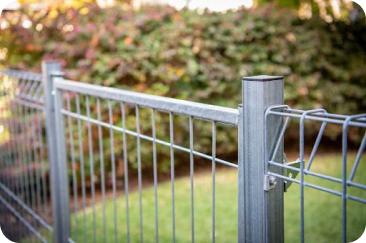
Temporary fences are versatile and essential solutions for a wide range of applications, from securing construction sites and organizing event spaces to providing safety barriers in roadside projects. Although temporary fencing may seem simple to install, getting the setup right is crucial for ensuring security, safety, and stability. Whether you’re a contractor, event manager, or property owner looking to secure a site, understanding the proper steps and considerations for temporary fence installation can save time, effort, and potential safety issues. This ultimate guide will walk you through everything you need to know to successfully install temporary fencing.
1. Understanding the Purpose of Your Temporary Fence
The first step in a successful temporary fence installation is identifying the primary purpose of the fence. Each project has unique requirements, and knowing the specific function of the fence will guide you in selecting the right type and layout. Ask yourself these questions:
- What is the primary objective? Is the fence meant to provide security, manage crowds, control traffic, or protect workers and equipment?
- How long will the fence be in place? The duration will influence the type of fence you choose and the installation method.
- What is the nature of the site? Consider factors such as terrain, weather conditions, and accessibility when planning your fence installation.
Common Applications for Temporary Fencing:
- Construction Sites: To protect against theft, vandalism, and unauthorized access.
- Events: To manage crowds, define boundaries, and secure VIP areas.
- Roadside Projects: To protect workers and guide traffic safely around the worksite.
- Property Renovations: To safeguard properties undergoing maintenance or repairs.
Clearly defining your purpose ensures you choose the right fence and configuration, providing optimal security and functionality.
2. Choosing the Right Type of Temporary Fence
Once the purpose is clear, the next step is selecting the appropriate type of temporary fence. There are various options, each suited to different applications. Understanding the strengths and limitations of each type will help you make an informed choice.
a. Chain-Link Panels
Chain-link panels are sturdy and versatile, making them a popular choice for construction sites and long-term projects. They provide high visibility and are difficult to breach.
- Best For: Construction sites, high-security areas, and large perimeters.
- Key Features: Sturdy metal frame, anti-climb mesh, and easy installation.
b. Welded Wire Panels
Welded wire panels offer a higher level of security than chain-link, thanks to their smaller mesh openings. These are often used in sensitive areas or high-risk zones.
- Best For: Secure areas within construction sites, VIP sections at events.
- Key Features: Tight mesh design, high durability, and tamper resistance.
c. Plastic Mesh Fencing
Plastic mesh fencing is lightweight and easy to install, making it ideal for short-term projects and events. It’s a cost-effective option when heavy security isn’t necessary.
- Best For: Events, crowd control, and guiding pedestrian traffic.
- Key Features: Lightweight, colorful options, and easy to transport.
d. Crowd Control Barricades
These are portable barriers designed for managing pedestrian traffic and creating orderly queues. They are ideal for short-term use at events.
- Best For: Concerts, festivals, parades, and public events.
- Key Features: Easy to reposition, interlocking design for stability.
Choosing the right type of fence for your specific needs ensures that it serves its purpose effectively and remains stable throughout its usage.
3. Preparing for Installation
Proper preparation is key to a smooth installation process. Before setting up your temporary fence, consider the following preparation steps:
a. Measure the Area to Determine Fence Requirements
Measure the perimeter of the area you want to secure. Knowing the exact length of the fence will help you determine how many panels or rolls you need. Keep the following in mind:
- Panel Dimensions: Most temporary fence panels are 6 to 8 feet in height and 8 to 10 feet in width.
- Total Number of Panels: Calculate the total number of panels required by dividing the perimeter by the width of a single panel.
- Extra Panels: Always order a few extra panels in case of miscalculations or unexpected adjustments.
b. Check Local Regulations and Permitting
Different regions have specific regulations regarding temporary fence installation. Make sure to check local ordinances for:
- Fence Height Restrictions: Some areas have restrictions on the maximum height of temporary fences.
- Required Setbacks: Verify if the fence must be set back a certain distance from roads, sidewalks, or neighboring properties.
- Permitting: Determine if a permit is needed for temporary fencing, especially for construction or commercial sites.
c. Clear the Area for Installation
Ensure the installation area is free of debris, vegetation, and any obstructions that might interfere with the fence placement. Level the ground if necessary, and mark the locations where each panel or post will be placed.
d. Gather the Necessary Tools and Equipment
Having the right tools and equipment makes the installation process more efficient. Basic tools include:
- Measuring tape
- Hammer or mallet
- Wrenches and pliers
- Post driver (for post-based fences)
- Stabilizers and sandbags (for securing panels on uneven terrain)
4. Installing Temporary Fence Panels
With proper preparation, you’re ready to begin the installation process. Here’s a step-by-step guide for setting up standard chain-link or welded wire panels:
Step 1: Position the Fence Panels
Start by positioning the first panel at the designated starting point. Attach the panel to a fence stand or base to keep it upright. Ensure the base is level and stable before proceeding.
- Tip: Use a level to ensure the panel is perfectly vertical, as uneven panels can lead to structural instability.
Step 2: Secure the Panels Together
Place the next panel adjacent to the first and secure them together using clamps or connecting brackets. Tighten the clamps to prevent the panels from shifting.
- Tip: Use two clamps for each connection—one at the top and one at the bottom—to provide extra stability.
Step 3: Repeat the Process for the Remaining Panels
Continue adding panels until the entire perimeter is covered. Make sure each panel is securely connected to the one before it. Use additional stabilizers or braces if needed, especially for areas prone to high winds.
Step 4: Install Gates and Access Points
Designate entry and exit points and install gates where needed. Gates should be wide enough for personnel and equipment to pass through and should include reliable locking mechanisms.
- Tip: If the fence is intended to control vehicle access, ensure that gates are wide enough to accommodate the largest vehicles expected to enter.
Step 5: Secure the Fence with Weights or Stakes
For added stability, especially on soft ground or windy locations, use sandbags or concrete blocks to weigh down the panels. On uneven terrain, consider using stakes or braces to anchor the fence securely.
5. Adding Security and Safety Features
Depending on the application and site conditions, you may need to enhance your temporary fence with additional security and safety features:
a. Anti-Climb Attachments
If security is a primary concern, consider adding anti-climb features such as barbed wire, razor wire, or anti-climb mesh to the top of the fence. These features make it difficult for intruders to scale the fence.
b. Privacy Screens or Windscreens
For areas that require privacy, such as construction sites or VIP sections at events, add privacy screens or windscreens to the fence. These screens are usually made of mesh or vinyl and can also reduce wind load on the fence.
c. Warning Signs and Lighting
Add warning signs, such as “No Trespassing” or “Authorized Personnel Only,” to deter unauthorized entry. If the fence is in a low-light area, consider adding temporary lighting to improve visibility and security.
6. Maintaining and Monitoring the Fence
Temporary fences are subject to wear and tear, especially in outdoor environments. Regular monitoring and maintenance ensure that the fence remains secure and effective throughout its use.
a. Inspect the Fence Regularly
Check the fence regularly for signs of damage, such as bent panels, loose connections, or shifted bases. Repair any issues immediately to prevent accidents or security breaches.
b. Tighten Loose Connections
Over time, clamps and bolts can loosen due to wind or movement. Regularly tighten all connections to maintain structural integrity.
c. Replace Damaged Panels
If a panel becomes damaged or unstable, replace it as soon as possible. Using substandard panels can compromise the security and safety of the entire installation.
7. Removing the Temporary Fence
When the project or event is complete, removing the temporary fence is the final step. Proper removal ensures that the site is left clean and that the fence can be reused or stored safely.
a. Start with Gates and Access Points
Remove the gates first, ensuring that all locks are open and no one is inside the fenced area.
b. Disconnect the Panels
Carefully disconnect each panel from the adjacent one, taking care not to damage the connecting brackets. Stack the panels neatly for transport or storage.
c. Remove the Bases and Weights
If the panels were weighted down, remove the weights or stakes before lifting the panels. This prevents strain on the frames and ensures safe handling.
d. Clean and Store the Fence
If you plan to reuse the fence, clean each panel to remove dirt and debris before storing. Store the panels in a dry, secure area to prevent damage or rust.
Conclusion
Proper planning and installation of temporary fencing are essential for maintaining security, safety, and efficiency on any site. By following the steps outlined in this guide, you can ensure a successful temporary fence setup that meets the unique needs of your project or event. Whether you’re securing a construction site or managing a large-scale event, investing in quality materials and careful installation will pay off in the form of a safe and secure environment.
For more information on temporary fencing solutions, or to consult with professionals for your next project, visit Temporary Fence LLC.