
Planning an event comes with its fair share of challenges, especially when it comes to crowd management and security. Whether you’re organizing a music festival, sports event, trade show, or community gathering, having a well-thought-out fence layout is essential to keep the event safe, secure, and efficient. Temporary fencing not only helps control the flow of attendees but also provides clear boundaries, restricts access to restricted areas, and protects valuable equipment. In this comprehensive guide, we’ll walk you through the key considerations for planning a secure fence layout for events to ensure everything runs smoothly.
1. Understand the Purpose of the Fence Layout
Before diving into the logistics of fence placement, it’s important to define the primary purpose of the fence layout. The specific goals will shape your decisions on fence types, positioning, and additional features. Consider the following common objectives:
- Crowd Control: For large events, controlling the movement and behavior of crowds is essential. The fence layout should guide attendees smoothly and prevent overcrowding in high-traffic areas.
- Access Restriction: Temporary fences help restrict access to VIP sections, backstage areas, equipment storage, and other sensitive zones.
- Safety: Fencing creates safe zones and keeps attendees away from potentially dangerous areas, such as stages, electrical installations, or cooking stations.
- Perimeter Security: A secure perimeter prevents unauthorized access, reduces the risk of theft, and keeps the event site safe.
Identifying the primary goals of your fence layout will help you choose the right fencing materials, plan the layout effectively, and ensure you meet security requirements.
2. Analyze the Event Location and Terrain
The layout and terrain of your event site will heavily influence your fencing plan. Conduct a thorough site inspection before finalizing the design. Factors to consider include:
- Size and Shape of the Venue: Measure the area to determine the amount of fencing needed. Irregularly shaped venues may require custom fencing solutions to ensure complete coverage.
- Terrain Type: Assess the ground conditions, such as grass, gravel, concrete, or pavement. Soft ground may need additional support, while hard surfaces may require weighted bases or anchor systems.
- Elevation Changes: If your venue has slopes or uneven terrain, plan for additional fencing accessories like angled panels or stabilizers to maintain stability.
- Access Points: Identify potential access points for attendees, vehicles, and emergency services. Plan the placement of gates and entrances accordingly.
By understanding the unique characteristics of your event location, you can design a fence layout that is secure, stable, and easy to install.
3. Select the Right Type of Fencing for the Event
Choosing the right type of fencing is critical for the success of your event. Temporary fences come in various styles, each with specific benefits depending on the event type and security needs. Here are the most common types to consider:
a. Chain-Link Panels
Chain-link panels are sturdy, durable, and offer high security. They are ideal for large events where perimeter security is a priority. The mesh construction prevents climbing and can be enhanced with anti-climb attachments if needed.
- Use Case: Perimeter security, backstage areas, equipment zones.
b. Welded Wire Panels
Welded wire panels provide a higher level of security compared to chain-link fences due to their tight mesh design. They are harder to cut and climb, making them suitable for high-profile events.
- Use Case: VIP zones, backstage security, and sensitive equipment storage.
c. Barricades
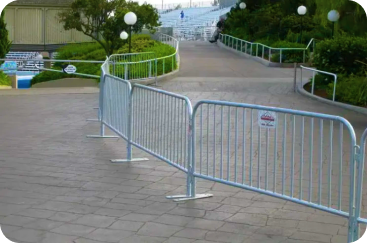
Barricades, also known as crowd control barriers, are portable and easy to set up. They are typically used to guide pedestrian traffic, form queues, and block off restricted areas temporarily.
- Use Case: Queuing areas, crowd control near stages, and defining walkways.
d. Privacy Fencing
Privacy fencing is typically fitted with solid or mesh panels to obscure views into restricted areas. It’s useful for keeping equipment, staff-only zones, or private event areas out of sight.
- Use Case: VIP sections, vendor areas, or stages.
Choosing the appropriate fencing type ensures that your layout aligns with the event’s security, safety, and privacy requirements.
4. Plan for Effective Crowd Management
Crowd management is one of the primary reasons to establish a secure fence layout. Proper planning not only keeps the attendees safe but also enhances the overall experience. Consider the following strategies:
a. Designate Entry and Exit Points
Clearly marked and well-spaced entry and exit points are crucial for maintaining a steady flow of attendees. Avoid bottlenecks by providing multiple gates and clearly marking their purposes (e.g., general admission, VIP, staff entrance).
- Emergency Exits: In addition to standard gates, ensure that you have enough emergency exits. These should be easy to identify and accessible from any point in the venue.
- Security Screening Areas: Design the entry layout to accommodate security screening stations. Barricades can be used to create organized lines leading to the screening zones.
b. Create Barrier Zones
For large events, establish multiple layers of fencing to create zones that control access more effectively. For example, use fencing to separate general attendees from VIP areas, food vendors, and backstage sections.
- Buffer Zones: Buffer zones between fence lines help manage crowd density and provide a secure space for staff and security personnel.
- Security Checkpoints: If you expect a large number of attendees, set up multiple security checkpoints with temporary fencing to prevent overcrowding and maintain orderly access.
c. Manage High-Traffic Areas
Identify areas likely to attract high foot traffic, such as entrances, food stalls, or restrooms. Use crowd control barriers to manage lines, create waiting areas, and prevent congestion.
- Signage and Guidance: Use signs to direct attendees to various zones. Combine these with fencing to guide the flow of people, preventing confusion and chaos.
5. Consider Safety and Emergency Protocols
Safety is paramount when planning a secure fence layout. Design your layout with the following safety protocols in mind:
a. Emergency Exits and Evacuation Routes
Ensure that your fence layout includes enough emergency exits and clearly marked evacuation routes. Emergency exits should be easy to open, even in a rush, and lead to safe, unobstructed areas outside the event.
- Accessibility for Emergency Personnel: Designate areas for emergency vehicles and personnel to access the site quickly. This may require reinforced gates or gaps in the fencing for quick entry.
b. Avoid Creating Dead Ends
Dead ends or enclosed spaces in the fence layout can trap people during emergencies. Design the layout to allow for a continuous flow, avoiding any areas where crowds can get stuck or overwhelmed.
c. Use High-Visibility Fencing for Hazardous Areas
For areas that pose potential safety risks, such as construction zones or electrical setups, use high-visibility fencing. Add warning signs and barriers to ensure attendees are aware of the dangers.
6. Optimize for Site Access and Logistics
Your fence layout should facilitate not just security, but also the logistical needs of the event. Ensure that your layout supports the movement of staff, equipment, and supplies throughout the event.
a. Install Gates for Different Purposes
Use separate gates for attendees, staff, vendors, and emergency services. Mark each gate clearly and ensure they are positioned strategically to prevent interference with crowd flow.
- Vehicle Access Points: For events that require vehicle access, plan for wider gates to accommodate trucks and emergency vehicles. Use dedicated fencing to separate pedestrian and vehicle traffic.
- Loading Zones: Create secure loading zones for vendors and equipment. Use temporary fencing to restrict access and keep these zones clear of unauthorized personnel.
b. Use Modular Fencing for Flexibility
Modular fencing panels can be easily reconfigured to adapt to changing needs during the event. If you anticipate needing to adjust zones or expand certain areas, choose fencing options that offer quick setup and removal.
7. Plan for Weather Conditions and Stability
Temporary fencing must be able to withstand environmental factors such as wind, rain, and varying temperatures. Consider the following weather-proofing strategies:
a. Use Weighted Bases and Stabilizers
For windy conditions or uneven terrain, use weighted bases or stabilizers to keep the fencing secure. This is particularly important for tall or privacy fences that are more susceptible to wind.
b. Choose Durable Materials
Opt for fencing materials that are resistant to rust and corrosion, especially if your event is outdoors or exposed to moisture. Galvanized steel panels are a good choice for long-term stability.
c. Plan for Wind Screens
Wind screens can reduce wind resistance but also add extra pressure on the fence. Ensure the fence is properly anchored and the wind screens are installed securely.
8. Work with a Reputable Fence Provider
Partnering with a reliable temporary fencing provider is essential for a successful event. A reputable company will help you plan the layout, recommend the best fencing options, and provide professional installation services.
a. Site Assessment and Consultation
Choose a provider that offers site assessment and consultation services. They can identify potential challenges and suggest solutions based on the unique needs of your event.
b. Quality and Compliance
Ensure that the fencing materials meet safety and compliance standards. The provider should offer high-quality products that are durable, safe, and suitable for your event type.
c. On-Time Delivery and Setup
Timeliness is crucial for event planning. Choose a provider known for on-time delivery and efficient setup to keep your event schedule on track.
Conclusion
A secure fence layout is fundamental for successful event planning. By considering factors like crowd management, access control, safety protocols, and logistical needs, you can create a layout that enhances security, supports smooth operations, and provides a positive experience for attendees.