
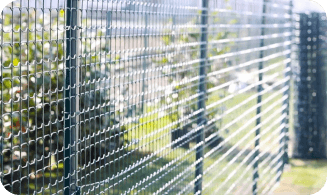
Installing a fence might seem like a straightforward task, but achieving a strong, durable, and aesthetically pleasing result requires careful planning and precise execution. Many property owners and contractors, even with the best intentions, often overlook crucial details that can lead to subpar results, safety concerns, and unnecessary expenses. To ensure a successful fence installation, it’s essential to be aware of common mistakes that can compromise the integrity, appearance, and longevity of your fence. This guide will outline the most common errors people make during fence installation and provide practical tips to avoid them.
1. Skipping the Planning and Preparation Stage
Failing to Define the Purpose of the Fence
One of the first and most critical steps in fence installation is to define the purpose of the fence clearly. Different types of fences are designed for specific functions, such as privacy, security, decoration, or pet containment. Skipping this step can lead to choosing the wrong materials or design, which may not serve the intended purpose.
- Example: Installing a short picket fence for security purposes will not provide adequate protection. Similarly, using a chain-link fence for privacy may not offer the visual obstruction desired.
Solution: Before starting, identify the primary function of your fence and choose materials and designs that align with that purpose.
Overlooking Property Lines
Failing to identify property lines accurately can result in boundary disputes, costly relocations, and legal complications. Building a fence on your neighbor’s property or too close to the property line can create unnecessary tension and may even require the entire fence to be moved.
- Example: If the fence extends even a few inches over the boundary line, it could legally belong to your neighbor, causing ownership issues and requiring costly adjustments.
Solution: Always confirm your property boundaries before installation by checking with local property records or hiring a professional surveyor.
Ignoring Local Zoning Laws and Permitting Requirements
Many homeowners and contractors make the mistake of installing a fence without checking local zoning laws, resulting in fines, penalties, or even having to tear down the fence. Zoning regulations often dictate fence height, material, and placement, especially in residential areas.
- Example: Building a tall privacy fence in the front yard might violate local height restrictions, leading to fines or mandatory removal.
Solution: Before installing the fence, research local zoning regulations and secure the necessary permits. This will prevent unexpected legal issues and ensure that your fence meets community standards.
2. Choosing the Wrong Materials
Using Inappropriate Materials for the Climate
Not all fence materials are suited for every climate. For example, wood fences can warp or rot in humid conditions, while metal fences may rust in areas with high moisture or salt exposure. Choosing the wrong materials can significantly shorten the lifespan of your fence.
- Example: Installing a wooden fence in a region with frequent rain can lead to premature rotting, mold growth, and structural weakness.
Solution: Select materials that are suitable for the local climate. In wet climates, consider treated wood, vinyl, or rust-resistant metal. For extreme temperatures, choose materials that can expand and contract without cracking.
Compromising on Quality to Save Costs
It’s tempting to cut costs by opting for cheaper materials, but this can lead to frequent repairs, lower durability, and an overall unsatisfactory result. Poor-quality materials not only look unattractive but may also fail to provide the intended security or privacy.
- Example: Low-quality vinyl or untreated wood may deteriorate quickly, requiring frequent maintenance or replacement.
Solution: Invest in high-quality materials that are designed to last. The initial investment will pay off in the long run by reducing repair costs and enhancing the fence’s lifespan.
3. Incorrect Post Placement and Installation
Inadequate Depth of Fence Posts
One of the most common mistakes in fence installation is not setting the posts deep enough into the ground. Shallow posts lead to instability, causing the fence to lean or collapse, especially during adverse weather conditions like strong winds or heavy rain.
- Example: A common rule is to bury one-third of the post’s height underground, but many installers fail to follow this guideline, resulting in wobbly and insecure fences.
Solution: Always dig post holes deep enough to ensure stability. Typically, for a 6-foot fence, posts should be buried at least 2 feet deep. Consider using concrete to secure the posts, particularly for taller fences or regions with soft soil.
Incorrect Spacing Between Fence Posts
Inconsistent or overly wide spacing between fence posts can lead to sagging rails, compromised security, and an unsteady fence structure. Proper spacing ensures the fence can support its weight and withstand external pressures.
- Example: For standard wooden or chain-link fences, post spacing should not exceed 8 feet. For more robust materials, 6 feet is often recommended.
Solution: Measure and mark the exact spacing for each post before installation. Consider the weight of the fence material and the expected wind load when determining spacing.
Failing to Level the Posts
Uneven posts can lead to a crooked fence, which not only looks unprofessional but also undermines the structural integrity of the entire installation. Even a slight tilt can cause alignment problems for the rails and panels.
- Example: Posts set at different heights create a wave-like effect, making the fence look uneven and unstable.
Solution: Use a spirit level to ensure that each post is perfectly vertical. Check the alignment of posts as you progress, using a string line for consistency.
4. Incorrect Installation of Fence Panels and Rails
Not Accounting for Expansion and Contraction
Materials like wood and vinyl expand and contract with changes in temperature. Failing to account for these natural movements can lead to warping, cracking, or panels popping out of place over time.
- Example: Wood fences installed too tightly can warp or split as the wood expands, while vinyl fences can crack in extreme temperatures if not installed correctly.
Solution: Leave small gaps between panels and rails to accommodate natural expansion and contraction. Follow the manufacturer’s guidelines for spacing and installation.
Poorly Securing Fence Rails and Panels
If the rails and panels are not securely fastened to the posts, the fence may become loose or collapse under pressure. Weak connections can also create gaps that reduce security and privacy.
- Example: Panels attached with insufficient screws or nails can easily become detached during high winds or if climbed on.
Solution: Use appropriate fasteners for the material type and ensure each connection is tight and secure. Consider using brackets or clips for additional support where needed.
5. Neglecting to Factor in the Slope of the Land
Improper Handling of Sloped Terrain
Installing a fence on a slope without adjusting for the gradient can result in uneven gaps at the bottom of the fence or a crooked top line. This compromises both the appearance and the functionality of the fence.
- Example: A fence installed straight across a slope can leave large gaps at the base, making it easy for pets or intruders to pass underneath.
Solution: Use a stepped or racked fence design for sloped terrain. A stepped design involves installing the fence in sections with each panel following the slope, while a racked design adjusts the angle of each panel to match the slope.
Overlooking Drainage and Soil Stability
On sloped or uneven ground, drainage and soil stability can be significant issues. Installing a fence without considering water flow and soil conditions can lead to premature rot, rust, or fence leaning.
- Example: Installing wooden posts in waterlogged soil without proper drainage can cause them to rot and fail within a few years.
Solution: Address drainage issues before installation and use appropriate materials, such as treated wood or concrete bases, to protect against moisture damage.
6. Ignoring Aesthetic Considerations
Choosing a Design That Clashes with the Property
A fence should complement the overall design of the property, enhancing its visual appeal. Choosing a fence style or color that doesn’t match the architecture or landscape can detract from the property’s aesthetic value.
- Example: Installing a rustic wood fence around a modern home can create a visual mismatch, while using bright colors may not blend well in a natural landscape.
Solution: Consider the property’s style, color scheme, and landscape when selecting a fence design. Aim for harmony between the fence and its surroundings to create a cohesive look.
Conclusion
Fence installation is a complex process that requires careful planning, precision, and attention to detail. By avoiding these common mistakes—such as neglecting proper planning, choosing unsuitable materials, incorrect post placement, and ignoring terrain considerations—you can ensure a successful and long-lasting installation. Whether you’re a DIY enthusiast or hiring a professional, taking the time to understand these pitfalls will help you achieve a fence that is sturdy, secure, and visually appealing.
For more guidance or professional assistance with your next fence project, visit Temporary Fence LLC. Our team of experts is here to help you with quality materials, expert advice, and installation services to ensure your fence stands the test of time.